


ARTICLE
Midterm Elections and the Market
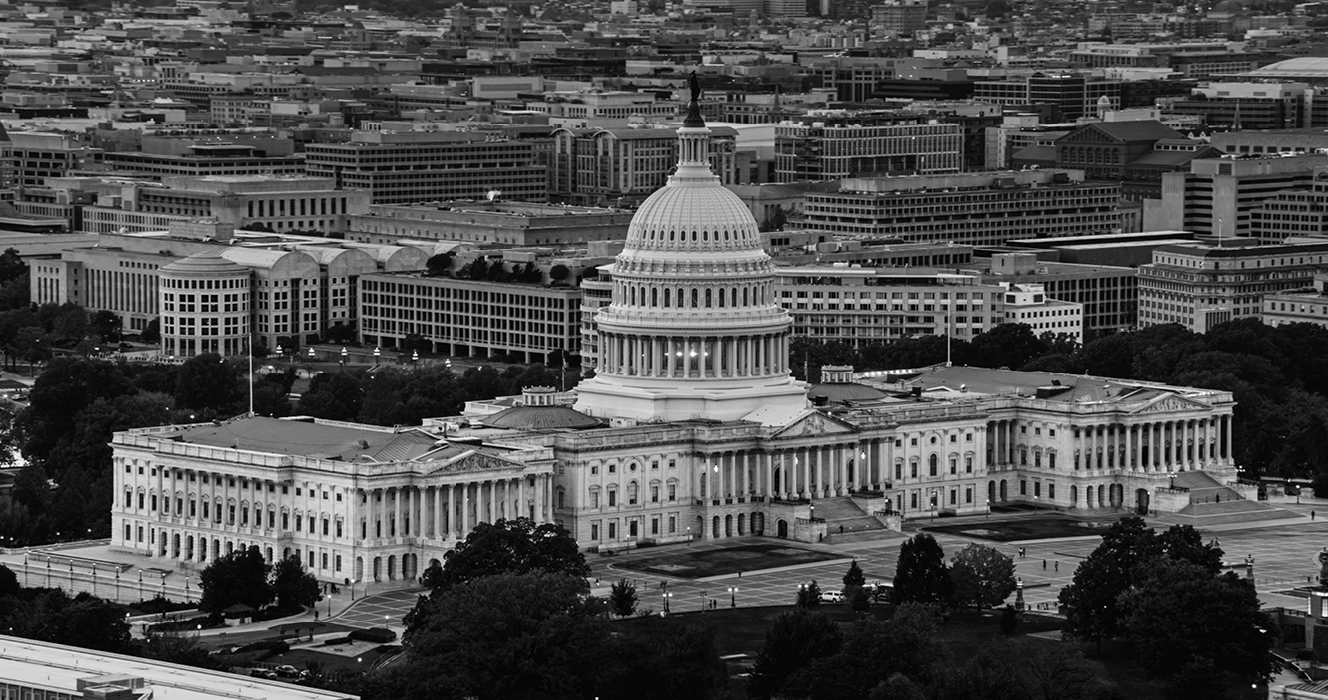
The midterm elections are less than a year away. While it may cause tension, it is worth noting that markets typically do not react significantly to the event.
How Midterm Elections Affect the Stock Market
Politicians can have an impact on policy, world relations, and laws, but the markets themselves usually act independently.
All 435 House of Representatives seats will be decided in November, but fewer than 70 are expected to be competitive, according to numerous political analyses. Only about 15% of House seats are not in districts that are solidly blue or red. Many of those seats lean in one political direction, so the number of true tossup seats is likely even smaller. However, Republicans hold a slim majority in the House, making it very possible that Democrats could retake control of that chamber. It appears that Democrats will have a harder time retaking the Senate, since only about a third of the 100 seats are on the ballot due to staggered terms.
A brief history lesson.
In the year leading up to the midterm elections, bonds and, in particular, stocks exhibited a more muted performance compared to other years. Since 1990, the S&P 500 increased 0.11% in the calendar year of a midterm election, but it increased 17.67% in the calendar year after the election. Markets are relatively muted in the lead-up as participants typically hold off on major moves until the dust settles from the elections. Simply put, markets and investors dislike uncertainty.
Regarding bond returns, Federal Reserve policy is the primary driver. Typical drivers (inflation and the labor market) influence Fed policy. The Bloomberg Barclays U.S. Aggregate Index has an average yearly return of about 6.55% since 1977. In that same period, returns in midterm election years have averaged 6.51%. The years following midterm elections have averaged 6.70%. In general, investors appear to somewhat shy away from corporate bonds until after election results come in, when, again, the uncertainty is removed.
Midterm elections are important because they help determine the balance of power in Congress and provide voters with the opportunity to change the party in power. Depending on how the vote plays out, Congress can provide support for the bills and legislation proposed by the president or act as a counterbalance.
Red, blue, or split.
Perhaps surprisingly, markets perform best when Republicans and Democrats each control a part of the Federal Government, according to data gathered by Standard & Poor’s Corporation. That scenario typically leads to a balance of power, which the markets see as less worrisome due to policy gridlock. When either party sweeps the executive and legislative branches, short-term volatility often happens since some policy changes are easier to pass.
Both sides need to get serious about the debt.
The nation’s annual net interest expense is now roughly $1 trillion. The total U.S. debt load is more than $38 trillion. The debt-to-GDP ratio is roughly 125%, which is extremely high. On an annual basis, debt-to-GDP could be around 6% for the next several years. A figure around 3% is closer to the nation’s historical average. Both political parties need to get serious about this issue, because it is crowding out other spending. Neither side has expressed any appetite for addressing this issue as of late. If the country’s spending does not slow down, higher taxes will likely be required down the road. Furthermore, the largest spending remains in areas that are “non-discretionary” obligations (Social Security, Medicare, interest, and defense).
The nation’s debt issues also lead to affordability issues, including:
- Rising federal debt can lead to higher mortgage rates and other borrowing costs.
- The more the U.S. government spends on debt, the less it has to spend on research and development and other GDP boosters (infrastructure).
- Additionally, the nation’s high debt levels can negatively impact inflation, which remains stubbornly high.
Tariffs are a separate but related issue. While they provide federal revenue, they also put some pressure on prices.
Economic forecasts expect the One Big Beautiful Bill Act will stimulate the economy in the near term, but it will also likely add to the nation’s fiscal woes later. The recent legislation could add more than $3 trillion to the nation’s debt in the coming years.
Elections create lots of headlines (and headaches), but they should not sway your financial plan. The markets are always weighing whether a political platform is helping or hindering the flow of money into capital markets. Regardless of administration, congressional policy, or tax codes, entrepreneurs and quality companies have found ways to innovate, grow revenue over time, and make profits. Our view on investing, as always, is to stay disciplined and focus on the long term.
As always, reach out to your 1834 team if you have any questions.
SOURCES: Crandall Pierce & Company, Cook Political Report, U.S. Treasury Department, Peter G. Peterson Foundation, Federal Reserve Bank of St. Louis, Bloomberg